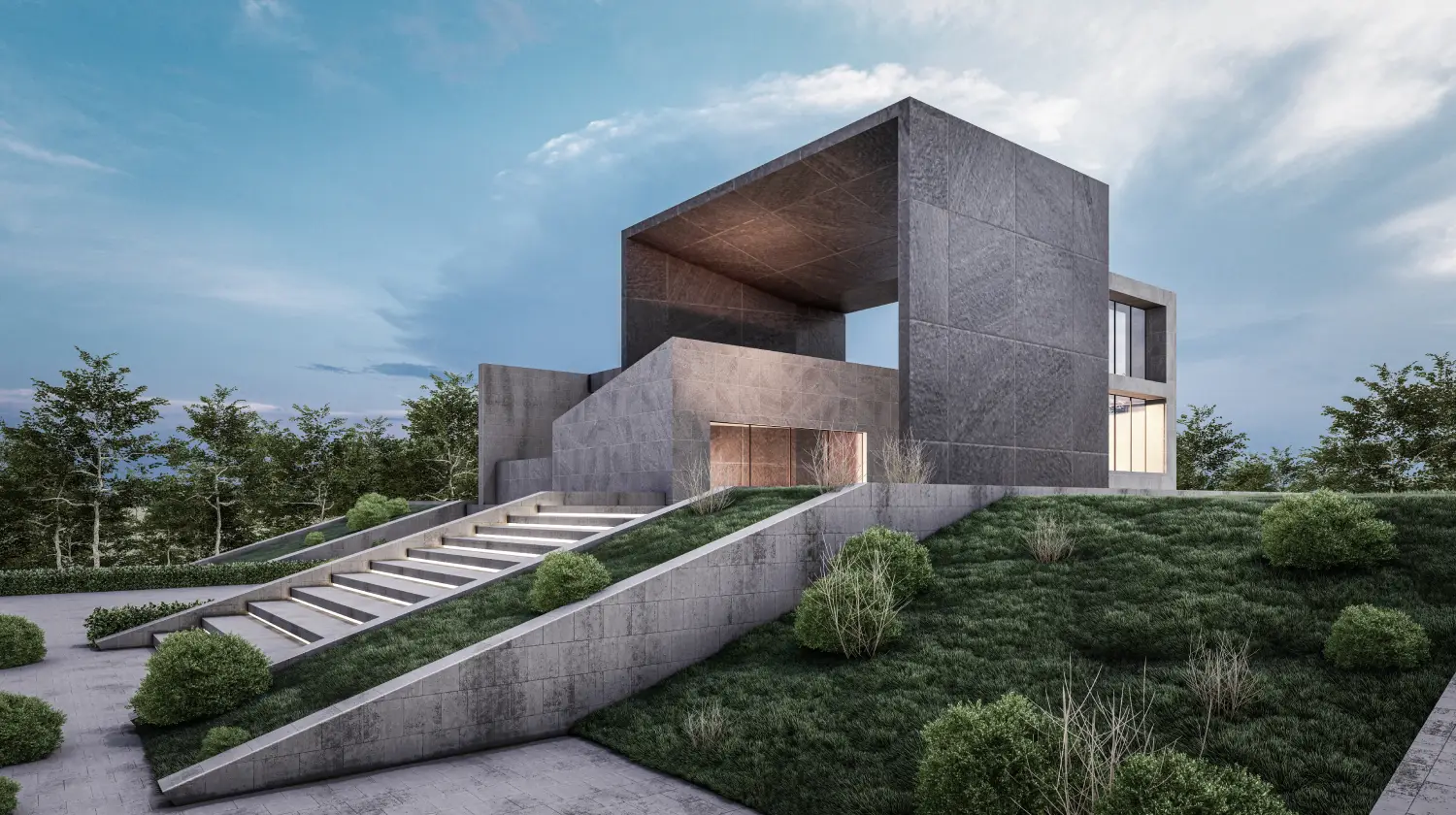

For a landowner, owning a well-located plot can create several possibilities. One option is to sell the property, while another is to explore its development potential through a partnership with a builder or developer.
A property joint venture can provide a structured way for landowners to participate in property development without independently managing every stage of planning and construction. However, understanding how the process works is important before entering into any agreement.
Here is a step-by-step look at how a typical property joint venture can progress.
1. Start With a Land Assessment
The first step is to understand whether the land is suitable for development.
A developer may evaluate the property’s location, size, dimensions, access, surrounding infrastructure, applicable development regulations, and other factors that could affect the proposed project.
The ownership and property documents may also need to be reviewed to establish that the land can proceed through the development process.
For landowners, this initial assessment is important because not every plot will have the same development potential.
2. Conduct a Feasibility Study
Once the basic property details are understood, a more detailed feasibility assessment can be carried out.
This can include evaluating:
- Permitted development potential
- Possible project size
- Construction requirements
- Estimated development costs
- Local property demand
- Expected sales potential
- Project timelines
- Potential returns
A feasibility study helps both parties understand whether the proposed development makes commercial and practical sense.
For example, a plot may appear suitable for apartments based on its size, but road access, regulations, construction costs, or market demand may influence the final project plan.
3. Discuss the Development Proposal
After the feasibility stage, the developer can present a potential development proposal to the landowner.
This may include the type of project being considered, approximate number of units, development concept, expected timeline, and proposed responsibilities.
The proposal should be discussed openly so that the landowner understands how the property may be developed and what their potential share could be.
At this stage, it is useful to ask questions rather than making a decision based solely on the initial proposal.
4. Decide on the Sharing Arrangement
One of the most important stages of a property joint venture is agreeing on how the benefits of the project will be shared.
Two commonly considered approaches are area sharing and revenue sharing.
Area Sharing
Under area sharing, the landowner receives an agreed portion of the completed development. This could involve specific apartments or a predetermined share of the built-up area.
Revenue Sharing
Under revenue sharing, the landowner and developer receive agreed portions of the revenue generated from the sale of the developed units.
The appropriate model depends on the property’s value, project feasibility, development costs, market conditions, and the objectives of both parties.
The terms should be clearly understood before proceeding further.
5. Clearly Define Responsibilities
A successful JV depends on both parties knowing exactly what they are responsible for.
The developer may be responsible for activities such as design, construction, project management, approvals, contractor coordination, and other development-related work.
The landowner may need to provide property documents, cooperate with required processes, and fulfil the responsibilities specified in the agreement.
Responsibilities can vary from one project to another, so they should not be assumed. They should be clearly discussed and documented.
6. Prepare the Joint Venture Agreement
Once the major commercial terms have been discussed, the next step is formal documentation.
A JV agreement should clearly set out the terms agreed between the landowner and developer.
Important areas may include:
- Property details
- Contributions of both parties
- Development scope
- Sharing arrangement
- Responsibilities
- Approval requirements
- Construction obligations
- Project timelines
- Handover conditions
- Dispute-resolution provisions
Because a property development agreement can involve significant legal and financial considerations, landowners should consider obtaining independent legal advice before signing.
7. Move Through Approvals and Planning
After the agreement is established, the development can proceed through the required planning and approval stages.
The exact requirements depend on the nature and location of the project.
Design, planning, regulatory compliance, and statutory approvals can all form part of this stage. Having an experienced development partner can help bring structure to these processes.
For landowners planning residential development in Chennai, understanding local development requirements and market conditions is particularly important.
8. Begin Construction
Once the necessary planning and approvals are in place, construction can begin according to the agreed project plan.
This stage involves multiple activities, including contractor coordination, procurement, construction supervision, quality management, and progress monitoring.
Regular communication between the landowner and developer can help keep expectations aligned throughout the construction period.
The development partner’s ability to manage these activities efficiently can have a major impact on the overall project.
9. Completion and Handover
The final stages involve completing the development, addressing applicable requirements, and handing over the landowner’s agreed share according to the JV terms.
The handover process should follow the conditions specified in the agreement.
Landowners should ensure that they understand what they are entitled to receive and the conditions associated with the handover before entering into the partnership.
How Should Landowners Choose a JV Partner?
Choosing the right development partner is just as important as negotiating the sharing arrangement.
Landowners should consider factors such as:
Experience
Look at the developer’s experience and previous residential developments.
Transparency
The developer should be willing to clearly explain the project proposal, responsibilities, costs, timelines, and sharing arrangement.
Construction Capability
A developer needs the ability to manage construction effectively, coordinate different teams, and maintain appropriate quality standards.
Communication
Regular and transparent communication can make the development process easier for both parties.
Documentation
Important commitments should be included in formal agreements rather than relying on informal discussions.
Shan’s Foundation works with landowners through development partnership models and provides information about its approach to feasibility assessment, planning, approvals, construction, and project completion. Landowners can learn more about its development approach through the Shan’s Foundation website.
Common Mistakes Landowners Should Avoid
Landowners can reduce potential problems by avoiding a few common mistakes.
Not checking the developer’s background: Always research experience and previous work.
Focusing only on the sharing percentage: A higher percentage does not necessarily mean a better proposal if the project itself is not feasible.
Relying on verbal promises: Important terms should be documented.
Ignoring the project timeline: Understand the expected stages and completion schedule.
Skipping professional advice: Legal and financial professionals can help identify important considerations before signing.
Final Thoughts
A property joint venture is a process rather than a single transaction. It can involve several stages, from land assessment and feasibility analysis to agreements, approvals, construction, and handover.
For landowners considering development in Chennai, taking time to understand each stage can make it easier to evaluate proposals and choose an appropriate development partner.
The most important factors are transparency, realistic project planning, clearly defined responsibilities, proper documentation, and a development partner with the capability to execute the project.
When these elements are carefully considered, a joint venture can provide landowners with a structured way to explore the development potential of their property.
Frequently Asked Questions
1. What is the first step in a property joint venture?
The process generally begins with assessing the land and conducting a feasibility study to understand its development potential.
2. How is the landowner’s share decided?
The share is negotiated between the landowner and developer based on factors such as land value, project feasibility, development costs, and the agreed area-sharing or revenue-sharing model.
3. Should a landowner get legal advice before signing a JV agreement?
Yes. Independent legal advice can help the landowner understand the terms, responsibilities, rights, and obligations contained in the agreement.
Considering a property joint venture for your land? Explore development opportunities with Shan’s Foundation in Chennai.