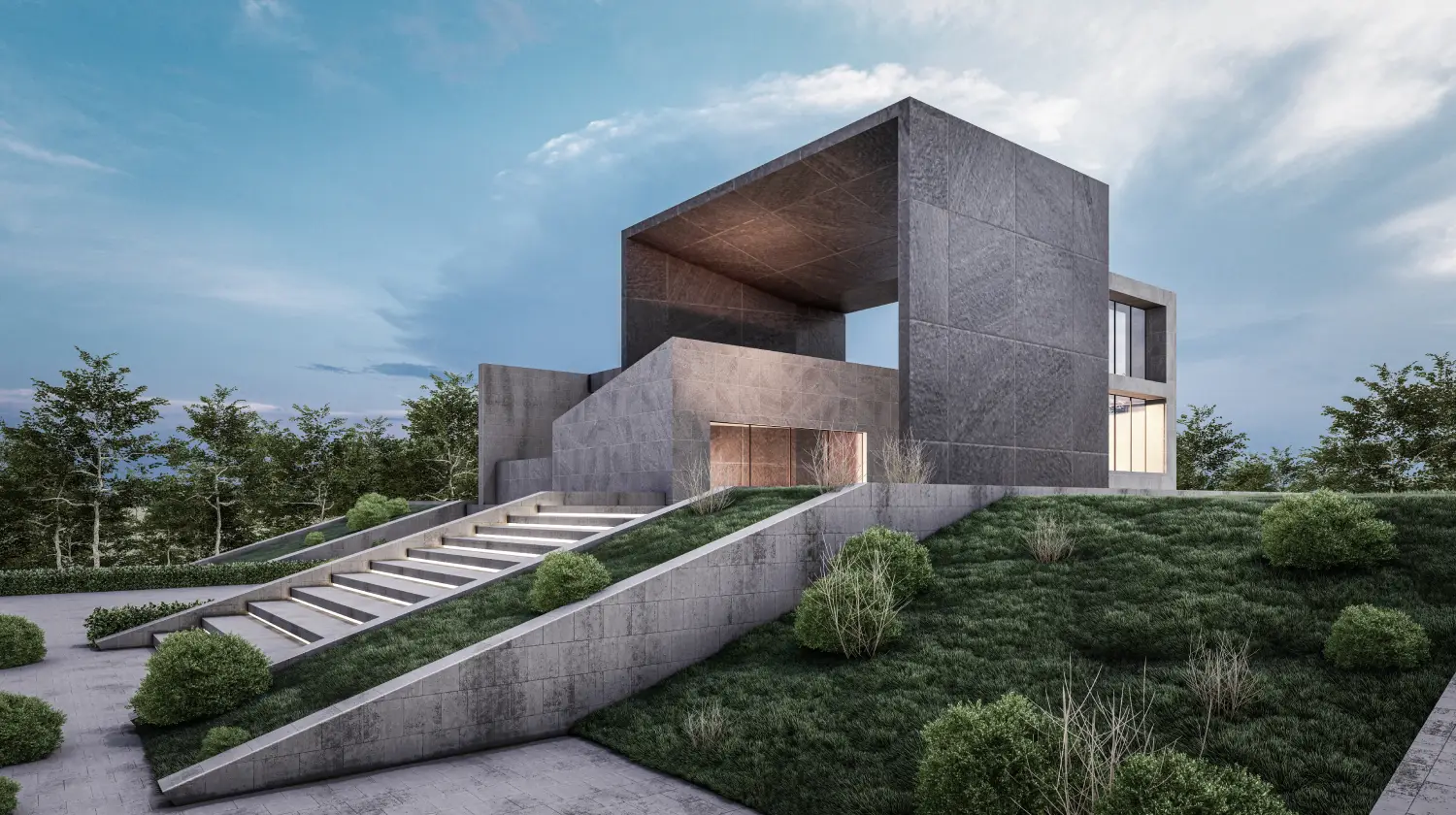

Buying a home is a significant decision that requires careful consideration. Beyond choosing an attractive apartment, buyers need to evaluate the project, developer, location, documentation, construction quality, and overall financial commitment.
A well-planned evaluation can help homebuyers make a confident decision and choose a property that suits both their present lifestyle and future requirements.
Why Evaluating a Residential Project Matters
A residential project is more than the individual apartment you purchase. The surrounding neighbourhood, quality of construction, common facilities, accessibility, maintenance, and reputation of the developer can all influence your experience as a homeowner.
Before making a booking, it is therefore important to look at the complete picture rather than focusing on one particular feature.
1. Consider the Location 📍
Location is one of the most important aspects of any property purchase.
Consider access to workplaces, schools, hospitals, supermarkets, public transportation, entertainment, and major roads. The surrounding environment and future development potential should also be considered.
For buyers looking for a residential flat in Chennai, comparing different neighbourhoods based on daily convenience can help narrow down suitable options.
2. Research the Developer 🏗️
The developer’s experience and previous work can provide valuable insights into the quality and reliability of a project.
Research completed developments, construction standards, delivery history, and customer feedback. Visiting completed projects can also help you assess how the developer’s work has performed over time.
A transparent developer should also be willing to answer questions about specifications, timelines, documentation, and project details.
3. Verify Documentation 📑
Property documentation should never be treated as a formality.
Buyers should understand the project’s relevant approvals, registration, land-related documents, construction permissions, and other applicable records.
If you are unsure about any legal document, consulting a qualified property lawyer can help you understand the details before proceeding.
4. Evaluate the Apartment Layout 📐
The right floor plan can make a significant difference to everyday comfort.
Consider the size and positioning of bedrooms, bathrooms, kitchen, living spaces, balconies, and storage areas. Natural light and ventilation should also be taken into account.
Instead of judging a home only by its total area, consider how efficiently that space can be used by your family.
5. Examine Construction Quality 🧱
Construction quality has a direct impact on the long-term usability of a home.
Ask about the materials and specifications being used for flooring, doors, windows, plumbing, electrical systems, waterproofing, and other important components.
Where possible, visit the site or completed projects to get a better understanding of the developer’s construction standards.
6. Understand the Amenities 🌳
Amenities can add convenience and improve the overall residential experience.
Depending on the project, facilities may include landscaped areas, children’s play spaces, fitness facilities, community spaces, security, and parking.
However, buyers should consider whether these amenities genuinely suit their lifestyle and what maintenance costs may be associated with them.
7. Calculate the Complete Budget 💰
A property’s advertised price is only one part of the financial calculation.
Buyers should understand registration expenses, maintenance charges, parking costs, applicable taxes, infrastructure-related charges, and other expenses.
It is also important to evaluate loan eligibility, down payment requirements, EMI commitments, and monthly household expenses before finalising a purchase.
8. Think About Connectivity and Future Growth 🚗
Accessibility can influence both lifestyle convenience and the long-term appeal of a property.
Look at existing roads and transportation options while also considering future infrastructure and development in the surrounding area.
For families evaluating residential projects in Chennai, this broader perspective can help identify locations that offer practical convenience over the long term.
9. Consider Long-Term Requirements 👨👩👧👦
Your requirements may change after you purchase a home.
Consider whether you may need additional space for children, a home office, guests, storage, or elderly family members. Parking and accessibility should also be considered according to your household’s needs.
Choosing a home with some flexibility can make it easier to accommodate lifestyle changes in the future.
10. Compare Before Making a Decision ⚖️
Finally, compare more than one project.
Create a checklist covering location, price, layout, construction quality, amenities, documentation, maintenance, developer reputation, and future potential.
This allows you to make a decision based on overall value rather than choosing a project because of one attractive feature.
For those exploring residential developments, Shan’s Foundation offers information about its residential projects and approach to property development.
Conclusion 🏡
Buying a home should be a carefully considered decision rather than an impulsive one. By evaluating the location, developer, documentation, construction quality, floor plan, amenities, costs, connectivity, and future requirements, buyers can make a more informed choice.
Take the time to ask questions, compare projects, verify documents, and understand the complete financial commitment before booking.
Planning to buy a residential flat in Chennai? Evaluate your options carefully and choose a home designed around your long-term needs.
Frequently Asked Questions
1. What are the key factors to evaluate before buying a flat?
Location, developer reputation, documentation, construction quality, floor plan, amenities, total cost, connectivity, and future requirements are among the key factors.
2. How can I compare two residential projects?
Compare their location, pricing, layouts, construction quality, amenities, documentation, maintenance costs, developer track record, and overall suitability for your lifestyle.
3. Is the cheapest residential project always the best option?
Not necessarily. Price is important, but construction quality, location, documentation, amenities, connectivity, and long-term value should also be considered.